What is Phang Nga Bay?
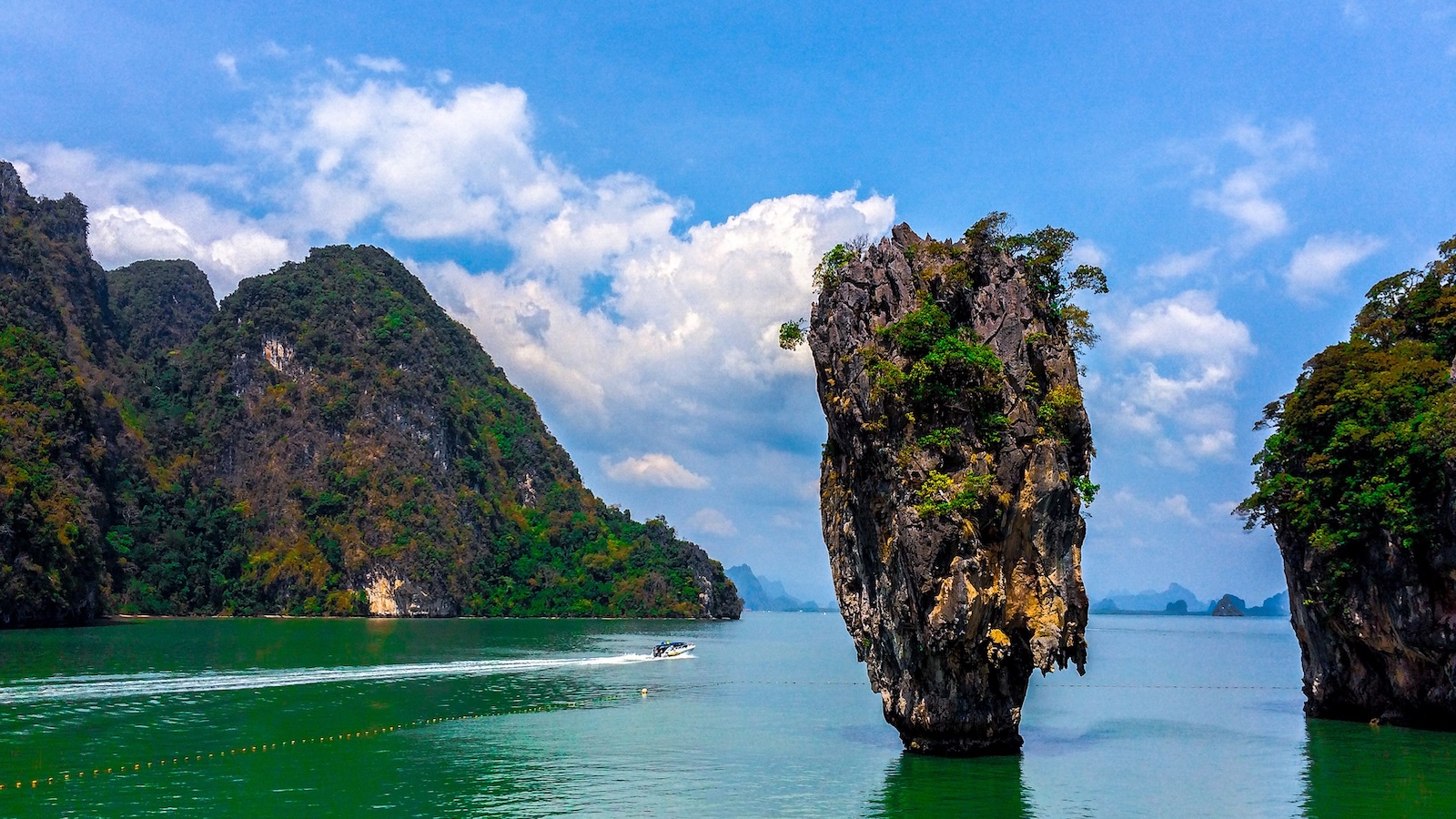
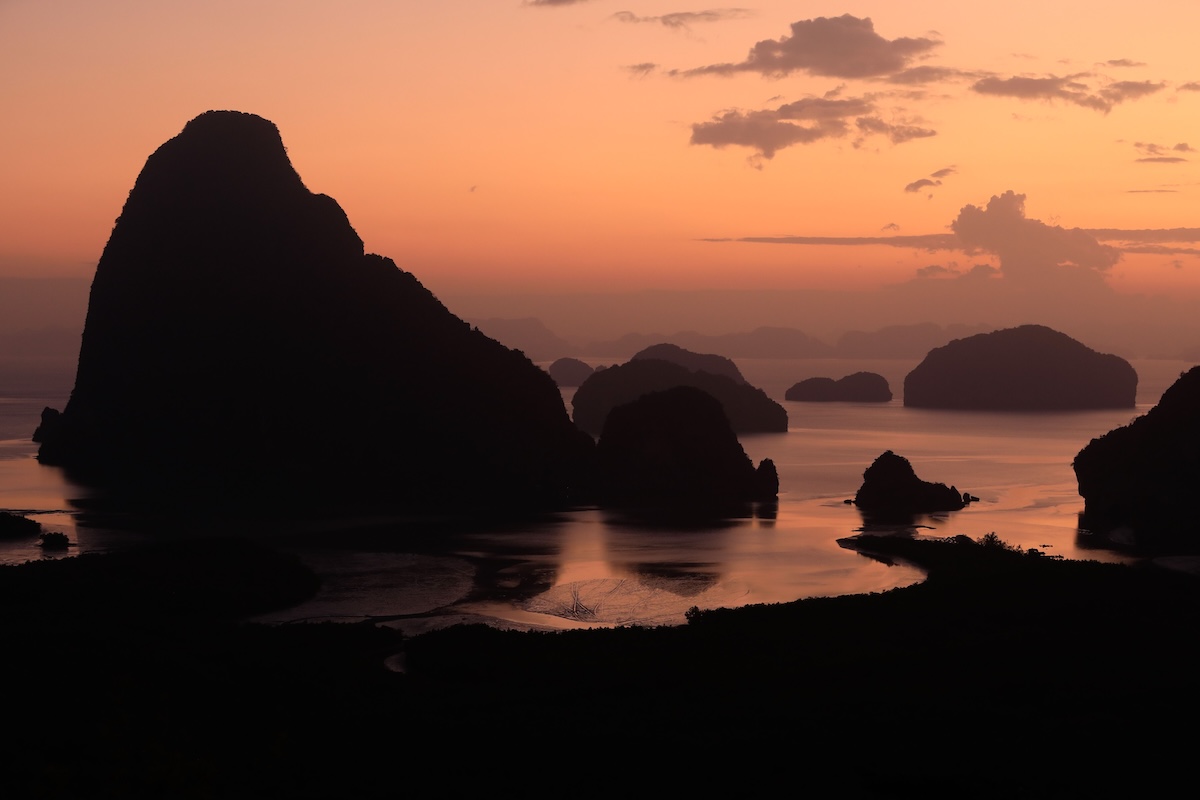
Phang Nga Bay lies between mainland Phang Nga and Phuket on Thailand's Andaman coast. Much of its most distinctive scenery is protected within Ao Phang Nga National Park, where steep limestone formations rise almost vertically from sheltered water.
Unlike an open-sea island excursion, a tour through the bay feels like travelling through a flooded mountain landscape. Boats pass between cliffs, mangrove forests and narrow channels before reaching caves, lagoons, small islands and local settlements.
More than one famous island
James Bond Island is the headline attraction, but canoeing into hidden hongs, cruising through the karst scenery and visiting Koh Panyee often become the most memorable parts of the day.
Why Phang Nga Bay is so special
The bay's distinctive towers began as layers of marine limestone. Over immense periods, erosion shaped the rock into cliffs, caves, arches and isolated pillars. The sheltered water and extensive mangrove system create a landscape that is visually dramatic but often calmer than the open Andaman Sea.
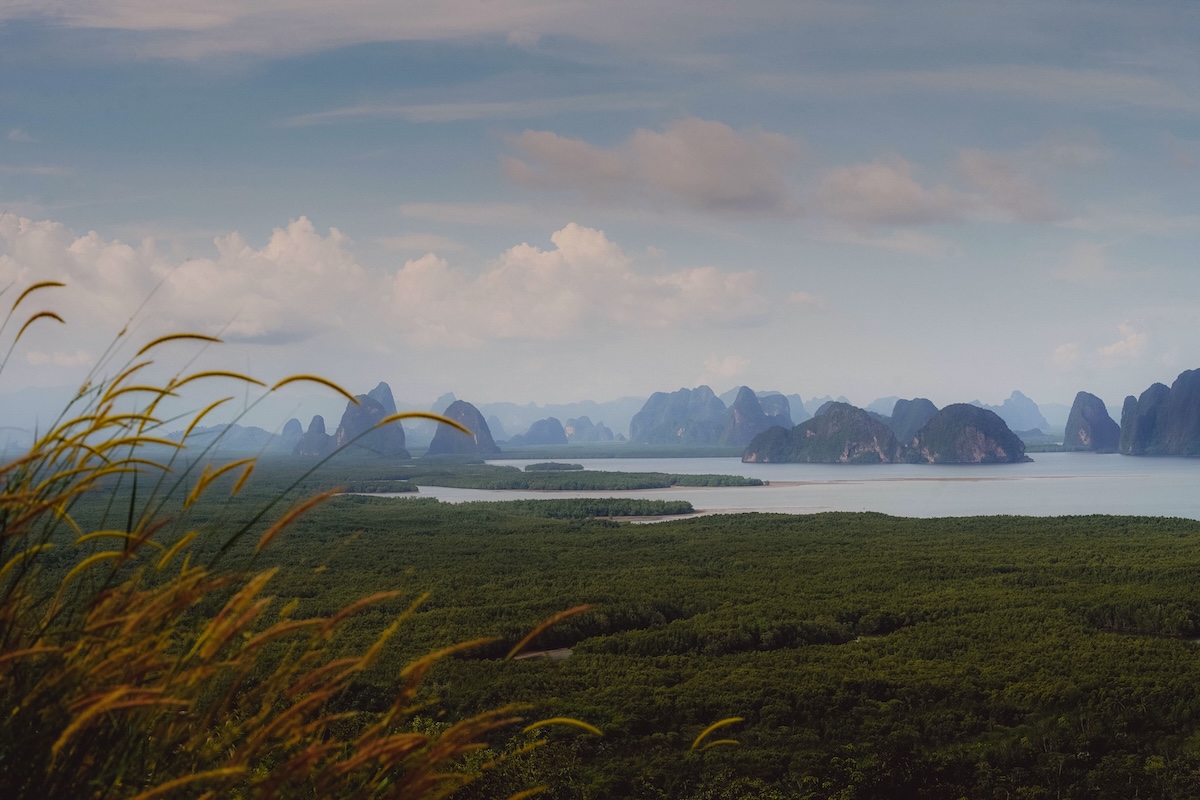
The scale is difficult to understand from photographs alone. Some formations appear as slender columns from one direction and enormous cliff faces from another. Morning mist, shifting light and reflections continually change the appearance of the bay.
James Bond Island and Ko Tapu
The landmark commonly called James Bond Island is Ko Tapu, a narrow limestone pillar standing just offshore from Khao Phing Kan. It became internationally famous after appearing in the 1974 film The Man with the Golden Gun.
Visitors normally land at Khao Phing Kan, walk through a small market area and reach viewpoints facing Ko Tapu. The stop is iconic and highly photogenic, but it can also be busy. Early tours generally offer a quieter experience than arrivals in the middle of the day.
Set realistic expectations
The island stop itself is usually fairly short. Its value lies in seeing an instantly recognisable landmark as one part of a much larger journey through Phang Nga Bay.
Koh Panyee floating village
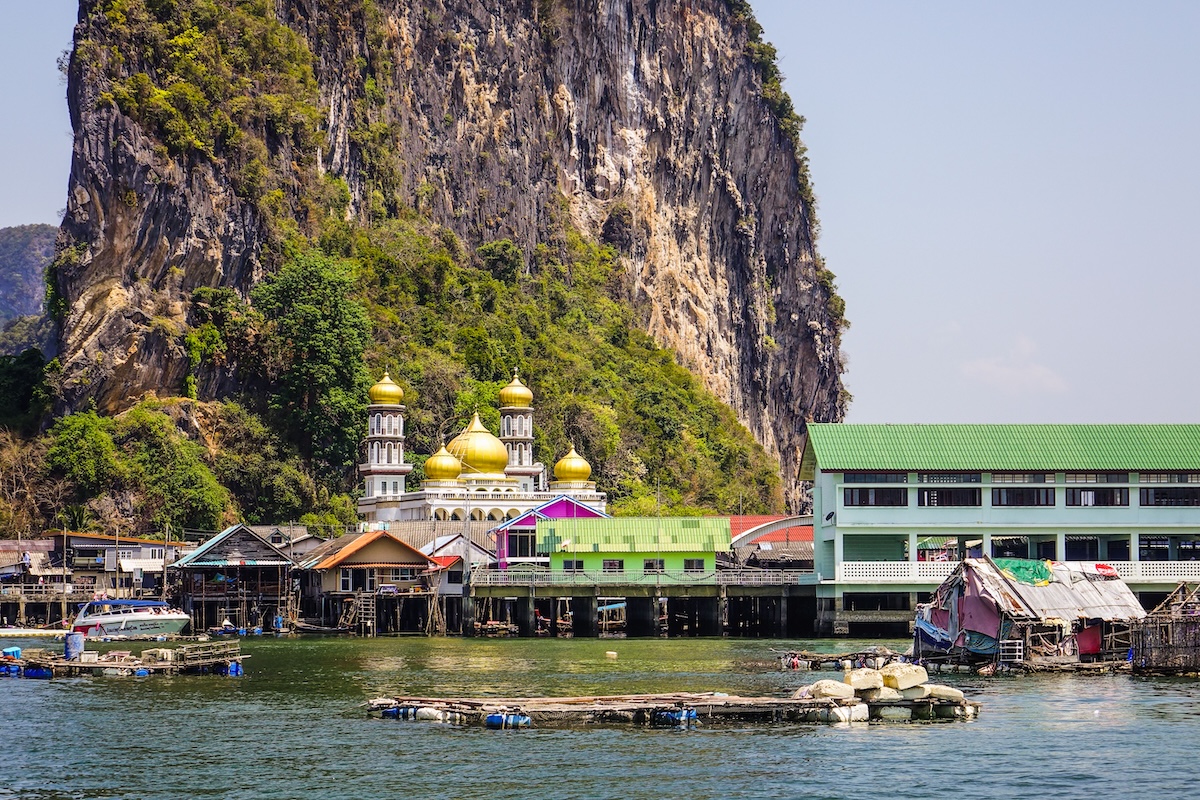
Koh Panyee is a long-established Muslim fishing community built largely on stilts beside a towering limestone island. Homes, restaurants, walkways, shops, a school and other community buildings extend over the water.
Many day tours stop here for lunch. Beyond the restaurant area, a short walk reveals narrow lanes and the unusual relationship between the village and the rock face behind it. The floating football pitch has also become one of Koh Panyee's best-known stories.
Visit respectfully
- Remember that Koh Panyee is a living community, not a theme park.
- Dress and behave respectfully around homes and religious buildings.
- Ask before photographing residents at close range.
- Support local businesses without blocking narrow walkways.
Sea canoeing through caves and hongs
Sea canoeing is frequently the highlight of a Phang Nga Bay tour. Visitors transfer into small inflatable canoes, usually paddled by an experienced local guide, to enter narrow caves and enclosed lagoons known as hongs.
Some entrances are low enough that passengers need to lean back as the canoe passes beneath the rock. Inside, the space may open into a quiet lagoon surrounded by vegetation and cliffs. Access depends heavily on the tide, which is why routes can change from one day to another.
Do you paddle yourself?
On most organised excursions, a local paddler controls the canoe. The activity is therefore gentle and does not normally require previous canoeing experience, although getting in and out may require a little mobility.
Mangrove forests and wildlife
Phang Nga Bay contains extensive mangrove habitat. These salt-tolerant forests stabilise shorelines, provide nursery areas for marine life and create sheltered feeding grounds for birds, reptiles and other animals.
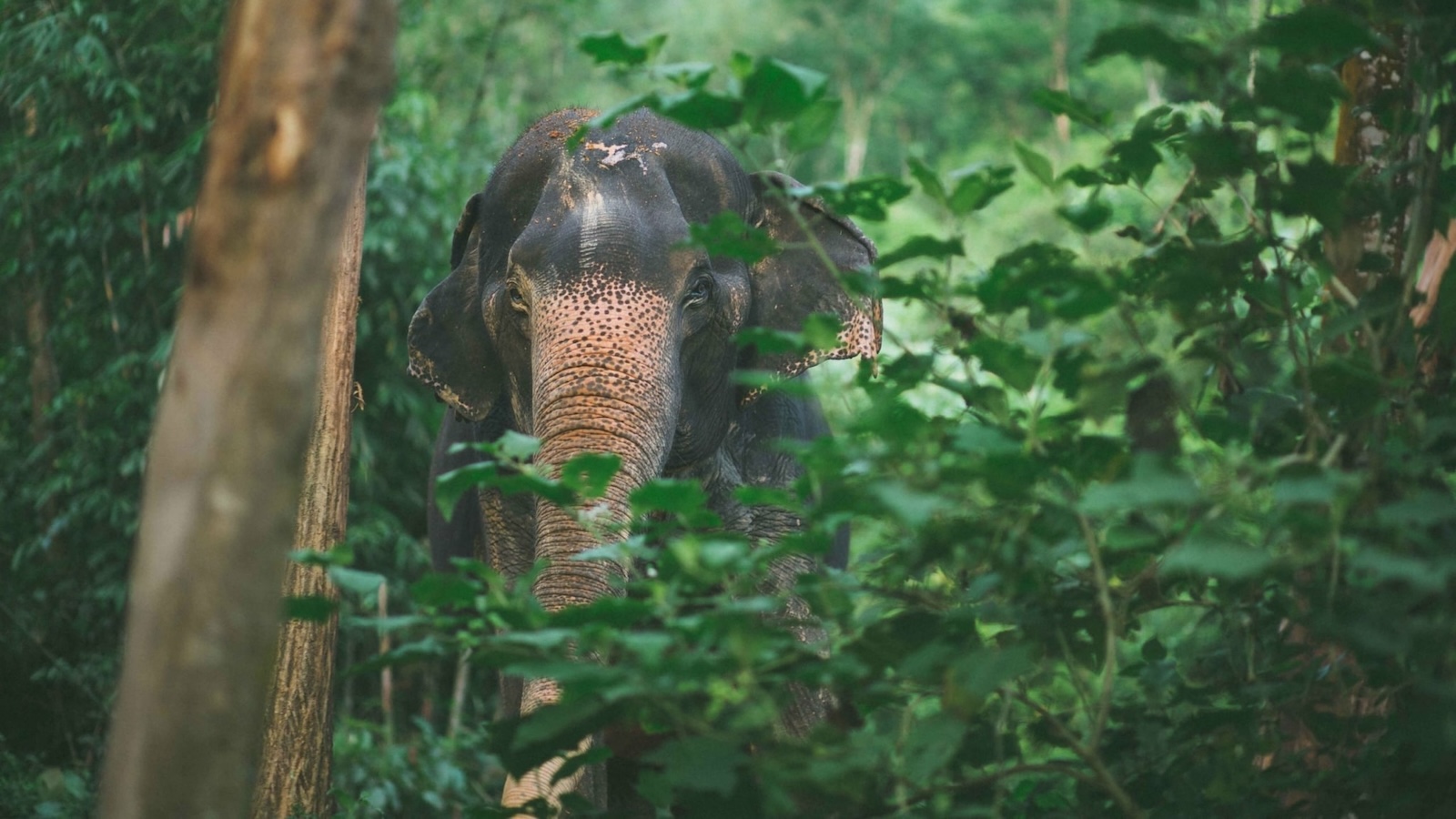
Depending on route, season and luck, visitors may notice kingfishers, herons, eagles, mudskippers, crabs, monkeys or monitor lizards. Wildlife observations should be treated as a bonus rather than a guaranteed part of the itinerary.
Sunrise tour or regular day tour?
An early departure can mean cooler temperatures, softer light and fewer people at the most popular stops. Sunrise tours particularly suit photographers and visitors willing to start before dawn.
A standard day tour offers a more relaxed morning and is often easier for families. It may, however, reach James Bond Island and Koh Panyee at their busiest times. The quality of the route and timing matters more than the word “sunrise” alone, so compare complete itineraries.
Typical Phang Nga Bay day trip from Khao Lak
Exact routes vary, but a full-day excursion usually combines several of the bay's signature experiences rather than focusing on a single stop.
- Morning pickup from your hotel in Khao Lak
- Transfer to a mainland pier
- Boat journey through limestone scenery and mangrove channels
- Visit to James Bond Island and Khao Phing Kan
- Guided sea canoeing through caves or lagoons
- Lunch and free time at Koh Panyee or another local stop
- Further sightseeing before returning to the pier
- Transfer back to Khao Lak in the late afternoon or evening
Some tours add swimming, a beach stop, a temple or a viewpoint on the mainland. Read the schedule carefully, as an itinerary with too many stops can feel rushed.
Speedboat or traditional longtail boat?
Speedboat
Faster between stops and useful for longer itineraries. The ride can be noisier and less comfortable for people with back problems or a sensitivity to sudden movement.
Longtail boat
Slower and atmospheric, with a stronger sense of travelling through the landscape. Comfort, shade and spray protection vary considerably between boats.
Neither option is automatically better. Choose according to group size, mobility, route, comfort and how much time you want to spend moving between attractions.
Best time to visit Phang Nga Bay
Phang Nga Bay can be visited throughout the year. The generally drier months from November to April often provide brighter skies and more predictable conditions. The bay's sheltered geography means trips may still operate when open-sea island excursions are less comfortable.
From May to October, the landscape is exceptionally green and visitor numbers may be lower, but heavy rain, wind or poor visibility can alter the itinerary. Tides also affect access to caves and lagoons in every season.
Weather decisions come first
A responsible operator may change the route or cancel an activity when conditions are unsuitable. Treat that as a safety decision, not a failure to deliver the tour.
What should you bring?
Light clothing and a sun hat
Reef-safe sunscreen
Sandals or shoes with good grip
Waterproof phone or camera pouch
Light rain jacket in the wet season
Cash for drinks, snacks or souvenirs
Is Phang Nga Bay worth visiting?
Yes—particularly if you value scenery and variety more than a beach day. Few excursions from Khao Lak combine such distinctive geology, local culture, mangrove ecosystems and gentle adventure in one trip.
James Bond Island is undeniably commercial and can be crowded, but it should not define the entire experience. A well-paced tour with canoeing, Koh Panyee and time to appreciate the landscape remains one of the region's most rewarding days out.
Come for the famous island, but remember the journey through the bay. The cliffs, caves, mangroves and changing light are the real attraction.
Frequently asked questions about Phang Nga Bay
How far is Phang Nga Bay from Khao Lak?
Travel time depends on the departure pier and your hotel location. Most organised excursions include a road transfer followed by the boat journey into the bay, making this a full-day trip.
Is James Bond Island worth visiting?
It is worth seeing as an iconic landmark, but the stop can be busy and relatively short. Choose a tour that also includes canoeing, Koh Panyee and meaningful time travelling through the wider bay.
Is sea canoeing difficult?
Usually not. On most group tours, an experienced local guide paddles the canoe while guests sit and enjoy the caves and lagoons. Getting in and out requires basic mobility.
Can children join a Phang Nga Bay tour?
Many tours are suitable for children, especially those using larger boats and gentle canoeing. Confirm minimum ages, life jackets, transfer times and boat type directly with the operator.
Can you swim in Phang Nga Bay?
Some itineraries include a separate swimming or beach stop, while others focus entirely on sightseeing and canoeing. Do not assume swimming is included unless it appears in the programme.
What is the best time of year to visit?
November to April often brings the most settled weather, but Phang Nga Bay is a year-round destination. Conditions, visibility and cave access can change with weather and tides.